Firefighters and Mesothelioma
Firefighters risked their lives while trying to put out fires and keep others safe. In addition to the risks of smoke and fire, many firefighters were also exposed to asbestos, a cancer-causing substance used in buildings across the country. Due to this, firefighters have a higher risk of developing mesothelioma, a cancer only caused by asbestos, in the present day.

Why Firefighters Are at Risk of Mesothelioma
Firefighting has long been understood as a dangerous job, but the occupational cancer risk associated with it has only come into public focus in recent decades.
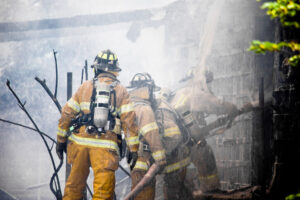 One of the most aggressive cancers that firefighters could develop is known as mesothelioma. This cancer only develops after exposure to asbestos fibers, and many firefighters may have been exposed while working to control building or house fires.
Throughout the mid-20th century, tens of millions of structures were built with asbestos-containing materials like insulation. If these buildings caught fire, they could release asbestos fibers into the air, and the wind and smoke could expose firefighters.
Here’s what to know about firefighters and mesothelioma:
- The National Institute for Occupational Safety and Health (NIOSH) found that firefighters are twice as likely to develop mesothelioma compared to the general public.
- The International Association of Fire Fighters (IAFF) has reported that firefighters face a 129% higher incidence of dying from mesothelioma than nonfirefighters.
- Asbestos is considered one of the most dangerous toxins that firefighters face on the job.
- Firefighters also face higher rates of other asbestos-related illnesses, including lung cancer and asbestosis.
We may be able to help firefighters with mesothelioma recover compensation for medical bills and any other costs they face after a diagnosis. Get a free case review now to learn more.
How Firefighters Were Exposed to Asbestos
Firefighters could have been exposed to asbestos not only while putting out buildings on fire, but also during cleanup activities, at their own firehouse, and during major disasters or catastrophes. All these factors contribute to higher rates of mesothelioma among firefighters today.
Below, explore some of the most common ways that firefighters risk exposure to asbestos materials.
Exposure to Asbestos During Fires
Prior to the 1980s, homes, offices, and other buildings relied on a wide range of asbestos-containing materials for insulation, soundproofing, and fireproofing. However, when a building that contains asbestos catches fire, toxic fibers could be carried into the air, putting firefighters in danger of exposure.
Firefighters could have been exposed to asbestos from:
- Asbestos-cement siding
- Boilers and boiler insulation
- Ceiling tiles and acoustic tiles
- Drywall joint compound
- Ductwork
- Electrical insulation and wiring coatings
- Exterior cement board
- Furnaces
- Paint
- Pipes
- Plaster
- Roof shingles
- Sprayed-on fireproofing coatings
- Vinyl floor tiles and adhesives beneath them
The culture surrounding firefighting meant that they may have refused to use self-contained breathing apparatuses (SCBAs), as many viewed wearing them as weak. As a result, firefighters would not only breathe in smoke but also asbestos fibers and other toxins.
Asbestos Exposure During Overhaul (Post-Fire Cleanup)
During the post-suppression phase of firefighting, called overhaul, firefighters still risked exposure to asbestos.
While cleaning up the aftermath of a blaze, firefighters move through smoldering debris to check for small fires that may not have been put out. This meant they could have disturbed damaged or decaying building components that used asbestos products.
Even if firefighters wore SCBAs while putting out the fire, they may have removed them during overhaul and breathed in asbestos dust and soot without notice.
Asbestos in Firefighting Gear and Trucks
It wasn’t just structures on fire that put firefighters at risk of asbestos exposure. For much of the 20th century, firefighters’ own protective gear was manufactured with asbestos.
Firefighting gear that contained asbestos included:
- Proximity suits
- Gloves
- Hoods
- Helmets
Firefighters wore this gear repeatedly over years or decades, often handling, storing, and maintaining it without any respiratory protection.
Firefighters and Secondary Asbestos Exposure
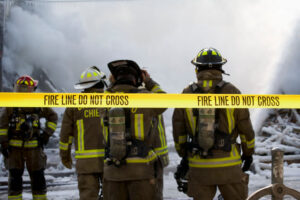 Asbestos exposure risk does not end when a firefighter leaves the scene. Gear, equipment, and vehicles covered with asbestos-contaminated dust or soot could be brought back to the fire station or even homes.
This led to instances of secondary asbestos exposure among other firefighters and their families, putting them at risk of mesothelioma and other cancers too.
Call (877) 449-6583 if you or someone you love served as a firefighter and is now facing mesothelioma. We can help explore options to cover treatment costs and other expenses.
Firehouses and Fire Engines With Asbestos
Many older fire stations were themselves built with asbestos-containing materials. Routine maintenance, renovations, or simply the physical wear of an aging building can disturb asbestos materials in fire stations and release fibers into the air.
Fire stations built before the 1980s may have asbestos in:
- A/C and HVAC systems
- Boilers
- Ceiling tiles
- Cement siding
- Drywall
- Floor tiles
- Paint
- Pipe insulation
- Wallboard
- Wiring
“My dad was very dedicated to the fire service. He was stationed downtown most of his career, working in the old buildings — even some of the old fire stations had asbestos.” – J.J. Winn, son of firefighter with mesothelioma
Beyond stations, fire engines and trucks used asbestos in brake linings, clutch components, gaskets, and hose fittings. Mechanics and technicians who serviced fire trucks were exposed as these components were replaced, generating asbestos dust in maintenance bays.
Asbestos Exposure Risks from Wildfires
As wildfire seasons have grown longer and more intense, modern-day firefighters could run the risk of asbestos exposure. Wildfires frequently destroy residential and commercial structures. When older buildings with asbestos are caught in the path of a wildfire, they could expose firefighters if proper precautions aren’t taken.
Additionally, wildland firefighters and incident support personnel who help during cleanup efforts may come in contact with asbestos-laden ash and debris for extended periods.
9/11 Firefighters and Asbestos Exposure
When the World Trade Center towers collapsed during the 9/11 tragedy, they released an enormous plume of toxic materials. This included asbestos from insulation and fireproofing that had been used to build the towers decades earlier.
Firefighters who were present at Ground Zero in the days, weeks, and months following the attacks are now at risk of mesothelioma and other serious illnesses from this exposure. It’s believed that over 90,000 firefighters and other first responders suffered asbestos exposure in the aftermath of 9/11, according to the Environmental Working Group.
“Dust was everywhere. And asbestos was everywhere, as we would learn later.”
– Margaret Ursta, wife of 9/11 first responder & firefighter with mesothelioma
Eligible first responders who were exposed at the World Trade Center site and have subsequently developed mesothelioma or other qualifying cancers should investigate their eligibility under these programs.
Asbestos-Related Diseases That Affect Firefighters
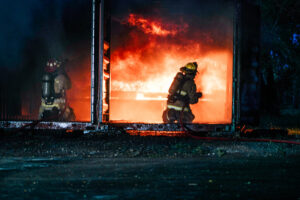 Firefighters who suffered on-the-job asbestos exposure could go on to develop different illnesses 20-50 years later. Arguably the most notable asbestos-related disease is mesothelioma, a cancer that’s only caused by asbestos exposure.
However, asbestos can also cause other types of malignancies like lung cancer, as well as noncancerous illnesses such as asbestos.
Asbestos-related diseases that affect firefighters include:
- Mesothelioma: Cancer tumors develop in the lining of different parts of the body, including the lungs, heart, abdomen, or testicles.
- Lung cancer: Asbestos exposure significantly elevates the risk of lung cancer, and the odds of getting sick could be higher among firefighters who also smoked.
- Asbestosis: This is a chronic disease caused by scarring of lung tissue. It worsens over time and could lead to lung failure.
- Pleural plaques: Collections of hardened lumps in the lung lining. They are typically harmless and cause no symptoms, but those with them could be at risk of more serious asbestos diseases due to past exposure.
- Pleural thickening: more extensive scarring of the pleural lining and can impair respiratory function by restricting lung expansion.
- Pleural effusion: Fluid accumulation in the pleural space caused by asbestos exposure that can cause chest pain and shortness of breath.
- Other cancers: Firefighters face a higher risk of bladder cancer, kidney cancer, non-Hodgkin’s lymphoma, multiple myeloma, and testicular cancer due to toxic exposures while serving.
“Firefighters are regularly exposed to airborne asbestos fibers as they respond to fires and other hazardous situations, making them 200 times more likely to develop related illnesses than the general public.” – Greg Russell, International Association of Fire Fighters representative
Get a free case review now for help covering treatment costs and other expenses if you or a firefighter has been diagnosed with mesothelioma.
Steps to Reduce Modern-Day Asbestos Firefighting Risks
Firefighters are still in danger of exposure to asbestos in the present. This is because over 30 million older buildings in the U.S. contain asbestos even now, as noted by PBS.
Because the health issues associated with asbestos are well-known today, firefighters need to use extra precaution if they’re responding to any fire involving an older structure.
Here’s how firefighters can keep themselves safe from asbestos today:
- Treating buildings as if they have asbestos: Fires are emergencies, so firefighters likely won’t know if there’s asbestos present in a building or not. For this reason, assuming that there’s a chance of exposure and taking precaution is key to staying safe.
- Decontaminating: Wiping down exposed skin, particularly the neck, jaw, hands, and face, with wipes or water before removing gear can help limit long-term danger. Many fire departments also follow protocols for bagging and cleaning contaminated gear and uniforms.
- Using respiratory protection: Maintaining SCBAs use during a blaze and throughout overhaul can reduce asbestos exposure.
- Showering promptly: Take a shower soon after responding to a fire to stay clean and wash away any stray fibers or other carcinogens.
- Storing gear separately: Placing contaminated gear in apparatus bays rather than day rooms, kitchens, or sleeping areas prevents secondary exposure.
- Regular gear laundering: Turnout gear should be cleaned regularly, not simply when visibly soiled.
There’s no way to lower the risk of asbestos related diseases among older firefighters who were exposed decades ago, before the public knew that asbestos was harmful.
In these cases, firefighters can stay proactive about their health and promptly see a doctor if they notice any possible mesothelioma symptoms, such as chest pain or cough. Routine occupational health screenings are increasingly recognized as the standard of care for active and retired firefighters.
Support and Resources for Firefighters With Mesothelioma
Firefighters newly diagnosed with mesothelioma aren’t alone in this fight. Other firefighters and families have faced mesothelioma and other cancers, and are ready to offer support during this difficult time.
Firefighting associations and cancer groups across the country work to directly assist firefighters who’ve developed occupational cancers like mesothelioma.
Organizations that can help firefighters with mesothelioma include:
- Firefighter Cancer Support Network (FCSN): FCSN provides practical guidance on navigating diagnosis and treatment, and offers support groups for family members.
- International Association of Fire Fighters (IAFF): The IAFF has been at the forefront of firefighter cancer advocacy, operating the IAFF Cancer Initiatives program and maintaining a database of cancer resources, presumption laws by state, and health and wellness programs for members.
- National Volunteer Fire Council (NVFC): The NVFC’s Share the Load program provides mental health resources and support specifically for volunteer firefighters, including those dealing with cancer diagnosis and the emotional burden of occupational illnesses.
- World Trade Center Health Program: This provides health monitoring and treatment for eligible first responders and recovery workers with qualifying 9/11-related illnesses, including mesothelioma and other cancers.
- September 11th Victim Compensation Fund: Compensation is available to firefighters and others facing illnesses like mesothelioma, physical injuries, or passed away as a result of the 9/11 attacks and cleanup efforts.
- Family Caregiver Alliance: This offers comprehensive caregiver resources, including support groups, respite care guidance, and educational materials.
Our team can also help firefighters who have developed mesothelioma file compensation claims, allowing them to more easily afford financial expenses related to their diagnosis. Call (877) 449-6583 to get help filing a claim now.
Mental Health Support for Firefighters With Mesothelioma
Mesothelioma doesn’t just put your physical well-being in danger, but it can be emotionally overwhelming. Firefighters who’ve developed mesothelioma can access mental health resources to more effectively cope and move forward.
Mental health support resources for firefighters include:
- CancerCare: This group offers free counseling and support groups open to all cancer patients and families.
- Counseling and support groups: Your local cancer center may offer in-person support groups or one-on-one counseling from psychologists, social workers, or therapists to help relieve the mental burden of a mesothelioma diagnosis.
- FCSN’s peer mentors program: This connects newly diagnosed firefighters and their families with trained peer mentors who have personally lived with cancer.
- First Responder Support Network: First responders can go on retreats and get peer support when dealing with trauma, serious illnesses like cancer, and more.
- Safe Call Now: This is a confidential crisis referral service for public safety employees. You can access the line by calling 1-206-459-3020.
Firefighters as a community share cultural norms around stoicism and self-sufficiency that can make seeking mental health support feel difficult.
The peer support model of connecting with other firefighters who have navigated the same experience with others has proven to be one of the most effective approaches for this reason.
State Laws That Firefighters With Mesothelioma Need to Know
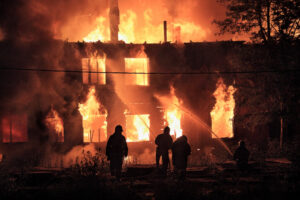 One of the most significant developments in firefighter occupational health law over the past two decades has been the expansion of cancer presumption laws.
With these state laws, certain cancers are recognized as being caused by exposure to toxins like asbestos as part of firefighting duties, allowing firefighters to access disability benefits more easily. Mesothelioma is one of the most common cancers under these laws.
Firefighters and their families navigating a mesothelioma diagnosis can:
- Contact their union representative or IAFF local to understand applicable presumption coverage
- Document their service history thoroughly, including assignment locations, types of responses, and any known asbestos exposure incidents
- Get a consultation from a mesothelioma attorney to explore their compensation options
Firefighters with mesothelioma also need to be aware of statutes of limitations on filing mesothelioma lawsuits. These state laws limit the amount of time available to pursue mesothelioma compensation through the legal system.
Top mesothelioma law firms understand the statutes of limitations in each case, and can help eligible firefighters file. Lawsuits demand compensation from manufacturers of asbestos-containing products that hid the health risks, not former employers.
Help for Firefighters With Mesothelioma
Firefighters didn’t deserve to develop mesothelioma or other asbestos-related cancers after bravely trying to protect others. Yet firefighters continue to receive a shocking diagnosis of mesothelioma each year, typically well into a much-deserved retirement.
If you or someone you love is a firefighter facing mesothelioma, it’s crucial to know that there’s support available.
Firefighters with mesothelioma can access:
- Key resources like counseling from firefighting organizations
- Treatments after a diagnosis to ease symptoms and live longer
- Financial compensation to cover any mesothelioma expenses
We’re ready to assist firefighters and families impacted by a mesothelioma diagnosis. Call (877) 449-6583 or get a free case review now to learn more about how we can help.
Firefighters and Mesothelioma FAQs
Is mesothelioma common in firefighters?
Yes, mesothelioma is very common in firefighters. In fact, firefighters are twice as likely to develop mesothelioma compared to the general population, as noted by NIOSH.
Mesothelioma rates among firefighters are high due to routine exposure to asbestos-containing materials, especially among those who served prior to the early 1980s, which was before the risks of asbestos were publicly understood.
During this time, buildings were often constructed with asbestos, and fibers could be released if they caught fire, increasing the risk of mesothelioma in those exposed.
What is the most common lung disease in firefighters?
Some of the most common lung diseases affecting firefighters include chronic obstructive pulmonary disorder (COPD), bronchitis, and lung cancer. Firefighters are at a greater risk of lung diseases because they regularly breathe smoke, soot, asbestos fibers, and other toxins into their lungs.
Mesothelioma is another disease that often causes lung-related symptoms like breathing issues among firefighters. The most common type, pleural mesothelioma, develops in the lining of the lung 20-50 years or more following exposure to asbestos.
Are firemen exposed to asbestos?
Yes, firefighters were frequently exposed to asbestos up through the early 1980s because many older homes and buildings were built with asbestos-containing insulation, tiling, popcorn ceilings, and more.
As the fires raged, asbestos fibers were released into the air and settled in the aftermath, creating a highly toxic environment for firefighters and other first responders.
While the risks are not as great as they were decades earlier, firefighters could still be exposed when responding to a fire involving an older building that still had asbestos materials present.
Call (877) 449-6583 for help if you or someone you love has developed mesothelioma and served as a firefighter. You may be eligible for financial compensation to cover treatment costs and other expenses.
When did firefighters stop using asbestos?
Firefighters didn’t directly use asbestos, but protective gear that contained it was gradually phased out once the risks were known. Newer fire stations and engines also stopped being built with asbestos products during the 1980s.
With that said, firefighters must continue to be aware of potential asbestos exposure even today, as it could be present when responding to fires or while serving at an older fire station.
How long does it take for mesothelioma to develop in firefighters after asbestos exposure?
Mesothelioma has one of the longest latency periods of any occupational disease, typically 20 to 50 years between initial exposure and diagnosis. A firefighter who was heavily exposed to asbestos in the 1970s or 1980s may only be receiving a diagnosis today.
This long latency period is one reason why ongoing health monitoring for retired firefighters is so important. Precautionary screenings may be able to help catch the cancer before it spreads, when it’s easier to treat.
What should a firefighter do if they think they were exposed to asbestos on a call?
Any incident involving a known or suspected asbestos release should be documented in an incident report. Firefighters should follow their department’s decontamination protocol, including gear bagging, on-scene gross decon, and post-shift showering.
The incident should be reported to occupational health services so it can be entered into the firefighter’s exposure history record. This documentation may be critically important decades later if an asbestos-related disease develops.
Can family members of firefighters get mesothelioma from secondary exposure?
Yes, secondary asbestos exposure is a documented pathway to mesothelioma. Family members, particularly spouses, who were regularly exposed to asbestos fibers carried home on a firefighter’s gear, clothing, hair, or skin have developed asbestos-related diseases.
This is one of the reasons that decontamination practices, including showering before contact with family members and keeping contaminated gear outside living spaces, are so important.

- Environmental Working Group. “Firefighters and teachers bear outsize burden of asbestos deaths.” Retrieved from https://www.asbestosnation.org/firefighters-and-teachers-bear-outsize-burden-of-asbestos-deaths/.
- Firefighter Cancer Support Network. “You Have Questions, We Have Answers.” Retrieved from https://www.firefightercancersupport.org/resources/faq.
- Idaho Fire Chiefs Association. “Firefighters and Mesothelioma.” Retrieved from https://idahofirechiefs.wildapricot.org/Mesothelioma-Guide.
- International Association of Fire Fighters. “IAFF supports a nationwide asbestos ban.” Retrieved from https://www.iaff.org/news/iaff-supports-a-nationwide-asbestos-ban/.
- PBS News. “The stunning truth about asbestos use in the U.S.” Retrieved from https://www.pbs.org/newshour/show/decades-after-proof-of-its-carcinogenic-properties-asbestos-still-surrounds-us.