U.S. Veterans and Substance Abuse: What Veterans and Their Families Need to Know
Around 14% of U.S. veterans suffer from a substance use disorder, according to the National Survey on Drug Use and Health. Service-related trauma, long-term injuries or illnesses, trying to readjust to civilian life after serving, and other factors may all play roles in why veterans develop addiction. Treatment and support are available for U.S. veterans impacted by substance abuse, helping them to move toward a better life.
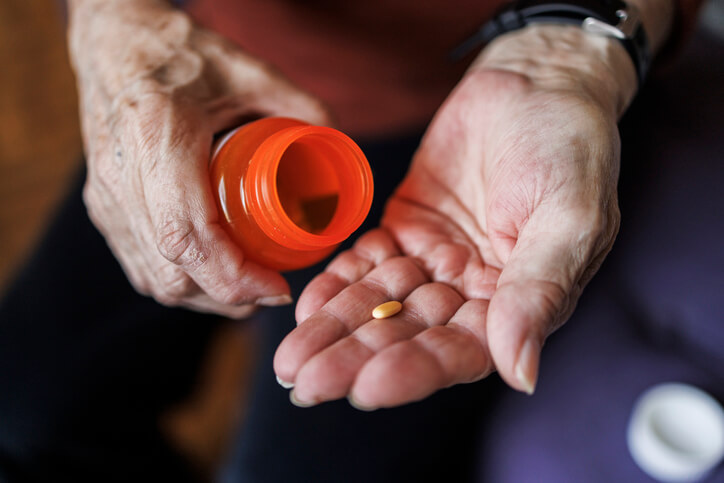
The Scope of Substance Use Among U.S. Veterans
Substance use disorder (SUD), also known as substance addiction, is a mental health issue that involves the chronic, long-term use of alcohol or drugs despite negative health outcomes.
U.S. veterans are at a higher risk of developing an SUD and issues that coincide with it, including depression and post-traumatic stress disorder (PTSD), homelessness, and chronic pain, per the National Institute on Drug Abuse (NIDA).
Here’s what to know about U.S. veterans and addiction risks:
- Alcohol is the most commonly misused substance among U.S. veterans, and heavy drinking is significantly more prevalent in veteran populations than among civilians in the same age groups.
- U.S. veterans between the ages of 18 and 34, particularly men, have the highest rates of SUDs.
- Veterans with PTSD are 2 to 4 times more likely to have a co-occurring substance use disorder than veterans without PTSD.
- Approximately 70% of homeless veterans struggle with substance use, according to the U.S. Department of Veterans Affairs (VA).
- The opioid crisis has hit veterans especially hard: Veterans are twice as likely as civilians to die from an accidental opioid overdose.
These numbers are a reflection of what many veterans have been asked to endure, and of how profoundly service can affect a person long after they return home.
Why U.S. Veterans Run the Risk of Addiction
Addiction does not occur in a vacuum. For many U.S. veterans, a combination of service-related experiences and post-military challenges put them at a greater risk of SUDs compared to civilian populations.
Factors that increase the risk of addiction in veterans include:
- Chronic pain: Roughly 66% of all U.S. veterans suffer from some sort of pain per NIDA. When veterans are treated for pain with opioid medications, the transition from prescribed use to dependence can happen gradually, without them fully recognizing it. For veterans living with pain related to cancers like mesothelioma, opioid dependence can be particularly complex.
- Military culture: Military culture places a high value on toughness and self-sufficiency. As a result, veterans may feel that seeking treatment for mental health or addiction is an admission of weakness. Reducing this stigma starts with knowing that addiction is a medical condition, not a character flaw.
- Military sexual trauma (MST): This is sexual assault or harassment experienced during military service and affects both male and female veterans. It’s strongly associated with PTSD, depression, and SUDs.
- PTSD: PTSD affects a significant portion of veterans who have served in combat, causing intrusive memories, nightmares, and persistent anxiety. Many turn to alcohol or drugs for temporary relief. PTSD and SUDs co-occur frequently, and each condition worsens the other.
- Transition challenges: The structure and identity that military service provides disappear upon discharge. U.S. veterans may struggle to find employment, reconnect with family, or feel understood. They may turn to alcohol or drugs to manage the emotional weight of a life that no longer feels familiar.
It’s important to remember that suffering from SUD does not make you weak or a bad person. No matter what potentially caused you or a U.S. veteran you love to develop an addiction, there is treatment and support available to help overcome it.
Warning Signs of Substance Use Disorder in U.S. Veterans
Substance use disorders often develop gradually and the signs can be easy to overlook, especially in U.S. veterans coming from a culture of toughness and strength.
Signs that a U.S. veteran may be struggling with substance use include:
- Becoming defensive or hostile when the topic of drinking or drug use comes up
- Continuing to use despite clear negative consequences
- Drinking more than intended, or being unable to stop after starting
- Experiencing withdrawal symptoms (shaking, sweating, nausea, irritability)
- Increasing time spent thinking about, obtaining, or using alcohol or drugs
- Neglecting responsibilities at home or work
- Taking another person’s prescription
- Taking risks under the influence, like driving or handling firearms
- Using medications in ways other than prescribed
- Using multiple substances together at the same time
- Withdrawing from family, friends, or activities
Some of these signs can overlap with symptoms of PTSD, depression, or traumatic brain injury (TBI), which is one of the reasons why a thorough assessment is key when a veteran first seeks care.
Treatment for Veterans With Substance Use Disorder
U.S. veterans need to know that it is possible to recover from an addiction. It requires the right combination of support and often more than one attempt — but many other U.S. veterans have successfully put their substance use issues behind them.
Explore common treatment options that veterans experiencing addiction can access below.
VA Substance Use Disorder Programs
The VA provides one of the most comprehensive substance use treatment systems in the country, and it is available to eligible veterans at little or no cost.
VA substance use programs can include:
- Dual diagnosis care: Integrated treatment for co-occurring conditions like PTSD, depression, or TBI alongside substance use disorder
- Inpatient and residential treatment: Live-in programs that provide therapy, peer support, and medical oversight
- Intensive outpatient programs (IOPs): Structured treatment several days per week, allowing veterans to live at home
- Medical detox: Supervised withdrawal from alcohol or drugs, with medications to reduce discomfort and prevent dangerous complications
“If you’re struggling with substance use problems, you’re not alone. Many veterans have problems with the use of alcohol, tobacco, street drugs, and prescription medicines. We’re here to help.”
– U.S. Department of Veterans Affairs
U.S. veterans who are already enrolled in VA health care can ask their primary care provider for a referral to mental health or SUD services. They can also use the VA Facility Locator to find the nearest VA medical center or community-based outpatient clinic.
Medication-Assisted Treatment (MAT)
MAT combines medications approved by the U.S. Food and Drug Administration (FDA) with counseling and behavioral therapy to treat opioid use disorder and sometimes alcohol use disorder.
For opioid use disorder, the most commonly used medications are:
- Buprenorphine (Suboxone): Reduces cravings and withdrawal symptoms and can be prescribed by licensed outpatient providers, making it more accessible than methadone
- Methadone: A long-acting opioid used to stabilize people dependent on shorter-acting opioids and dispensed through specialized clinics
- Naltrexone (Vivitrol): Blocks the effects of opioids entirely and available as a monthly injection
For alcohol use disorder, medications like naltrexone, acamprosate, and disulfiram have all demonstrated effectiveness in reducing drinking and preventing relapse.
MAT is not “trading one addiction for another”. When used correctly under medical supervision, these medications stabilize brain chemistry, reduce cravings, and allow veterans to work towards long-term recovery.
Inpatient and Residential Treatment
For veterans with severe addiction, unstable living situations, or who have not found success with outpatient approaches, residential treatment offers a more structured environment.
Veterans live on-site, often for 30 to 90 days or longer, and receive intensive therapy, peer support, medical care, and life skills programming.
Some residential programs are operated by the VA. Others are private facilities that accept VA coverage or TRICARE. Veteran-specific programs exist in many states and are designed to incorporate an understanding of military culture into the treatment environment.
Outpatient Counseling and Therapy
For veterans with stable housing and strong family support, outpatient treatment, in which the veteran attends therapy sessions while living at home, can be highly effective.
Common therapies used in outpatient addiction treatment include:
- Cognitive behavioral therapy (CBT): Helps veterans recognize and change thought patterns that contribute to substance use
- Contingency Management (Cm): Uses positive reinforcement to reward sobriety and treatment engagement
- Motivational Interviewing (MI): Helps veterans clarify their own reasons for change through collaborative conversation
- Seeking Safety (SS): Specifically designed for people with co-occurring PTSD and SUDs
Which types of outpatient therapy will work best will depend on each veteran’s unique situation. Counselors can adjust plans or suggest changes if one therapy doesn’t seem to be as effective.
Support Groups for Veterans Facing Addiction
Both general and veteran-specific support groups provide community, accountability, and hope for those looking to move past substance use disorders.
Veterans can join get support through:
- Alcoholics Anonymous (AA) and Narcotics Anonymous (NA): These groups operate meetings in virtually every community in the country, including ones specifically for veterans. You can search for veteran-centered groups on their official websites.
- Peer support specialists: Veterans in recovery who are trained to support others are available through the VA and veteran-focused groups. Many U.S. veterans say that the most meaningful support in recovery came not from clinicians, but from others who had been through similar experiences.
- SMART Recovery: This offers a secular, science-based alternative to 12-step programs like AA. Meetings are held online as well as at in-person locations throughout the country.
The VA’s Substance Use Disorder Program Locator allows veterans to search specifically for specialized addiction programs within the VA system, allowing them to get support that they need.
Understanding VA Benefits and Coverage for Addiction Treatment
One of the most common barriers veterans face when considering treatment for an SUD is the financial expense. The good news is that the VA covers a broad range of addiction treatments for eligible veterans, often at little or no out-of-pocket cost, through VA health care.
The VA covers medically necessary detox, counseling, medication-assisted treatment, and dual diagnosis care for veterans who qualify.
Veterans may be eligible for VA health care if they:
- Meet certain service length requirements
- Were actively deployed
- Were discharged under conditions other than dishonorable
Veterans with service-connected disabilities, low income, or other qualifying factors may receive priority access and reduced or waived copays.
“If you have a VA primary care provider, talk to them about your substance use. Your provider can help you get screened for substance use problems and related issues (like PTSD or depression)—and can offer treatment and support as needed.”
– U.S. Department of Veterans Affairs
Veterans are encouraged to contact their VA enrollment coordinator or call 1-800-827-1000 for personalized guidance.
Help for Families of Veterans Facing Addiction
Living with a U.S. veteran who is struggling with addiction is its own form of hardship. Spouses, parents, children, and siblings often absorb the effects of the veteran’s substance use.
These include managing fear, protecting children, covering financial shortfalls, and navigating the unpredictability of life with someone whose behavior has changed significantly.
If you are in this position, a few things are worth keeping in mind:
- Support children: If there are children living with a veteran who has an SUD, age-appropriate conversations about what’s happening and consistent reassurance that they are loved are essential. Kids who grow up in households with untreated addiction face higher risks of developing their own substance use problems later in life.
- You cannot force recovery: Change happens when the person struggling is ready and has the right support. What you can do is be consistent about your boundaries and unwavering in your support for the person.
- Your own well-being matters: Caregiver burnout is real. Attending support groups can help you process your own emotions, connect with others who understand, and learn approaches to support your loved one.
Finally, it’s important to know that what’s happening is not your fault. Substance use disorder in veterans develops from a complex interaction of biology, psychology, and circumstances, none of which you created.
Resources for Veterans and Families Impacted By Addiction
Many organizations across the country understand how substance use can impact U.S. veterans, and offer different resources to provide support so healing can begin.
These groups help veterans and families struggling with substance use:
- AA Family Groups: Support for families and loved ones of people with alcohol use disorder. Go to al-anon.org to learn more.
- Give an Hour: A network of licensed mental health professionals who provide free care to post-9/11 veterans and their families. Visit giveanhour.org.
- Make the Connection: VA-sponsored resource featuring personal recovery stories from veterans, a treatment finder, and educational materials on PTSD, depression, and addiction. Visit maketheconnection.net.
- National Alliance on Mental Illness (NAMI): Mental health and addiction resources specifically curated for veterans and military families. Visit nami.org/Your-Journey/Veterans-Active-Duty.
- SAMHSA National Helpline: Free, confidential treatment referral service, available 24/7 in English and Spanish. Call 1-800-662-4357 or visit FindTreatment.gov.
- SMART Recovery Family & Friends: A science-based support program for people affected by a loved one’s addiction. Find it online at smartrecovery.org/family.
- Veterans Crisis Line: Available around the clock to veterans and their loved ones in crisis. No VA enrollment required. Call 988, then Press 1, Text 838255, or visit VeteransCrisisLine.net.
Reaching out for help if you’re suffering from addiction doesn’t make you a lesser person or weak. Many other U.S. veterans have put their trust in resources like those listed above to curb their addictions and lead more fulfilling lives.
Supporting Veterans Affected By Substance Use
U.S. veterans put everything on the line to serve our country and protect our freedoms. After their service, far too many veterans must continue to fight new battles with addictions to drugs and alcohol.
It can be incredibly painful to go through SUDs, but veterans need to know they’re not alone. The VA, veterans organizations across the country, and those who love them are ready to offer support through an addiction.
Treating SUDs in veterans may include:
- Inpatient or outpatient programs
- Medical intervention
- One-on-one coaching
- Support groups and counseling
- Other forms of assistance
Many other U.S. veterans have successfully overcome their addictions. If you’re struggling, you’re not alone — and there is hope for you, too.
Veterans and Addiction FAQs
What percent of veterans have substance abuse problems?
A greater percentage of veterans suffer from addiction or substance use of disorder compared to the general population.
According to NIDA, over 10% of all U.S. veterans have substance use issues. That rate climbs significantly among veterans who deployed to combat zones, who have experienced military sexual trauma (MST), or who are also living with post-traumatic stress disorder (PTSD).
Why do veterans struggle with addiction?
U.S. veterans struggle with addiction due to a number of factors, ranging from mental health issues like PTSD, chronic pain, and difficulty transitioning to civilian life.
In many cases, veterans become dependent on drugs or alcohol to function while coping with chronic mental or physical health issues stemming from their service.
If you or a veteran you love has developed a substance use problem, don’t blame yourself. Addiction is a disease — and it is treatable.
Can a veteran get addiction treatment through the VA without a service-connected disability rating?
Veterans do not need a service-connected disability rating to receive VA health care, including substance use treatment. Eligibility is primarily based on service history and discharge status.
Veterans can apply for VA health care at va.gov/health-care/apply or by calling 1-800-827-1000.
What is the relationship between PTSD and substance use in veterans?
Post-traumatic stress disorder (PTSD) and substance use are closely linked. Veterans with PTSD frequently use alcohol or drugs to manage intrusive memories, sleep problems, and emotional distress.
Research shows that each condition worsens the other if untreated. That the most effective treatment plans address both simultaneously through what is called “integrated dual diagnosis care.”
Veterans who have both conditions are encouraged to seek programs that specialize in treating them together.
What if a veteran refuses to seek help for their addiction?
This is one of the most painful situations a family member can face if a veteran is struggling with substance use. You cannot compel a veteran that you love into recovery.
However, here’s what you can do:
- Connect with a counselor or support group yourself
- Express your concern without attacking their character
- Remain available when the veteran is ready to accept help
- Set boundaries around what behavior you will and will not accept
A certified interventionist can also help families plan a structured, compassionate conversation that sometimes opens doors.
Is addiction treatment confidential?
Yes. VA health records, including records of substance use treatment, are protected under federal confidentiality laws.
There are additional protections specifically for substance use disorder records under 42 CFR Part 2. Veterans can ask their treatment provider about exactly what is and is not shared.
Can you get VA disability for addiction?
The VA generally does not rate substance use disorder as a standalone service-connected disability.
However, if the addiction developed secondary to a service-connected disability, such as chronic pain from a service-related injury or PTSD, they may be able to seek increased disability benefits.
A veterans service organization (VSO) or accredited VA claims agent can help evaluate your eligibility for disability benefits.

- National Institute on Drug Abuse. “Substance Use and Military Life.” Retrieved from https://nida.nih.gov/publications/drugfacts/substance-use-military-life.
- U.S. Department of Veterans Affairs. “Substance use treatment for Veterans.” Retrieved from https://www.va.gov/health-care/health-needs-conditions/substance-use-problems/.
- U.S. Department of Veterans Affairs. “VA Health Systems Research.” Retrieved from https://www.hsrd.research.va.gov/research_topics/sud.cfm.
- USA.gov. “Mental health and substance abuse help for veterans.” Retrieved from https://www.usa.gov/veterans-mental-health.